
Why the Philippines · Buyer guide
Can foreigners buy property in the Philippines?
Yes. Foreign nationals, including UK citizens, can generally own condominium units outright, as long as foreign ownership in the building stays within 40%. They can't own land. Here are the essentials we discuss with every international buyer.
Why Mactan, Cebu
Why we start in Cebu
It's where our partner DNA Property Corp is based, and where they can check every property in person.
Accessible from abroad
Mactan–Cebu International Airport sits on the island itself, with international connections across Asia and the Middle East, and onward links to the UK and Europe.
A lifestyle location
Resort-style developments on the water, a warm climate year-round, and Cebu City's hospitals, schools and shopping close by.
Completed, lived-in developments
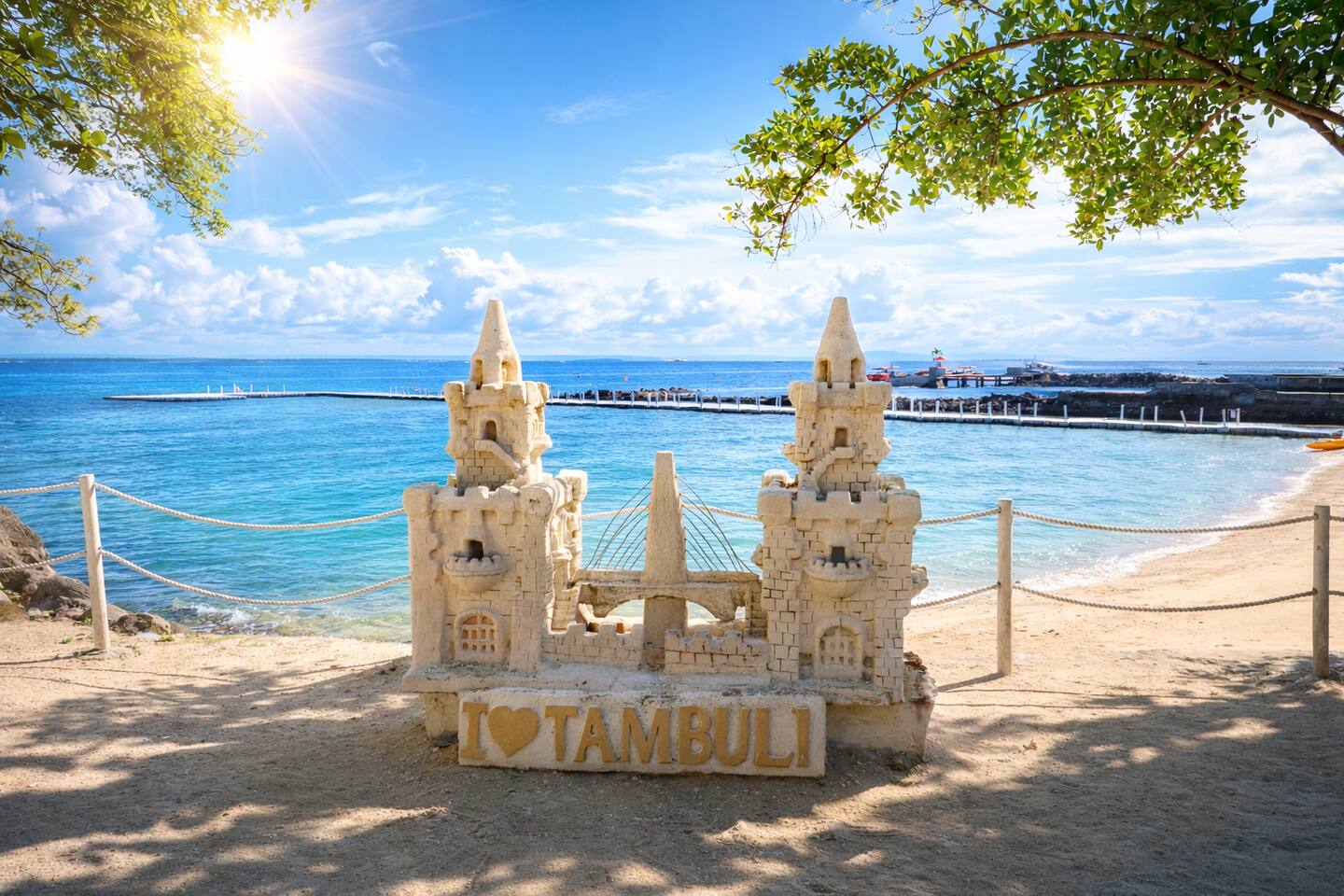
We focus on established developments such as Tambuli Seaside Living, where you can see the finished building, its facilities and how it is run.
English widely spoken
English is an official language of the Philippines and is used in contracts, property documents and day-to-day business.
Ownership
What foreign buyers can own
A plain-English summary. It is general information, not legal advice, and the law can change.
Always use an independent lawyer. We will introduce you to the process, and DNA coordinates the sale through licensed professionals, but your own Philippine lawyer acts for you alone and should approve every document before you sign or pay.
Condominium units
Foreign nationals can generally own condominium units outright, provided foreign ownership in that building stays within 40% of the units. Your lawyer should confirm the building's current foreign-ownership position before you commit.
Land
The Philippine Constitution restricts land ownership to Filipino citizens and qualifying Philippine companies. Foreigners cannot hold land title directly, though long-term leases are possible. Arrangements that try to get around this rule carry serious legal risk, and we don't advise or arrange them.
Title and due diligence
Before any payment, an independent Philippine lawyer should check the title, tax declarations, condominium dues, and any liens or encumbrances, and review the sale documents.
Costs and taxes
Expect transaction taxes, registration fees and legal fees in addition to the price. Who pays which cost is agreed in the contract. Your lawyer and a tax adviser should confirm the figures for your purchase and your home country.

A realistic view
What we won't promise
Property prices, rental demand and exchange rates go up and down. We don't publish return projections or yields, and we won't tell you a property will make money.
- Prices are set in Philippine pesos. Any sterling figure is an indication only.
- Rental income depends on the property, its management and the market. It is never guaranteed.
- Selling a property abroad can take time. Plan to hold for the long term.
FAQ
Buying in the Philippines: quick answers

Speak to our team
Questions about ownership?
Book a call with our team. We'll explain how the process works for buyers from your country, and when to bring in your lawyer.